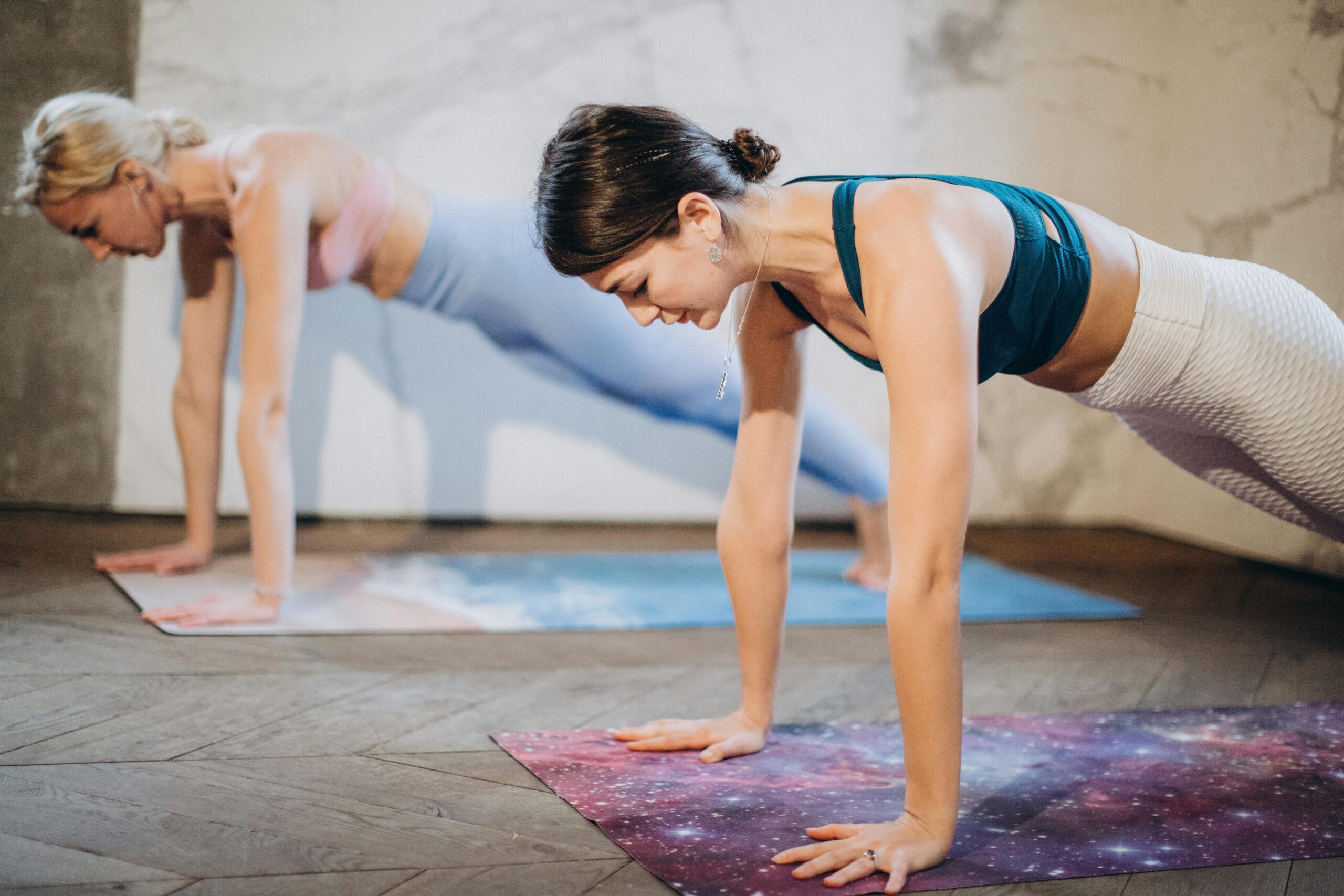
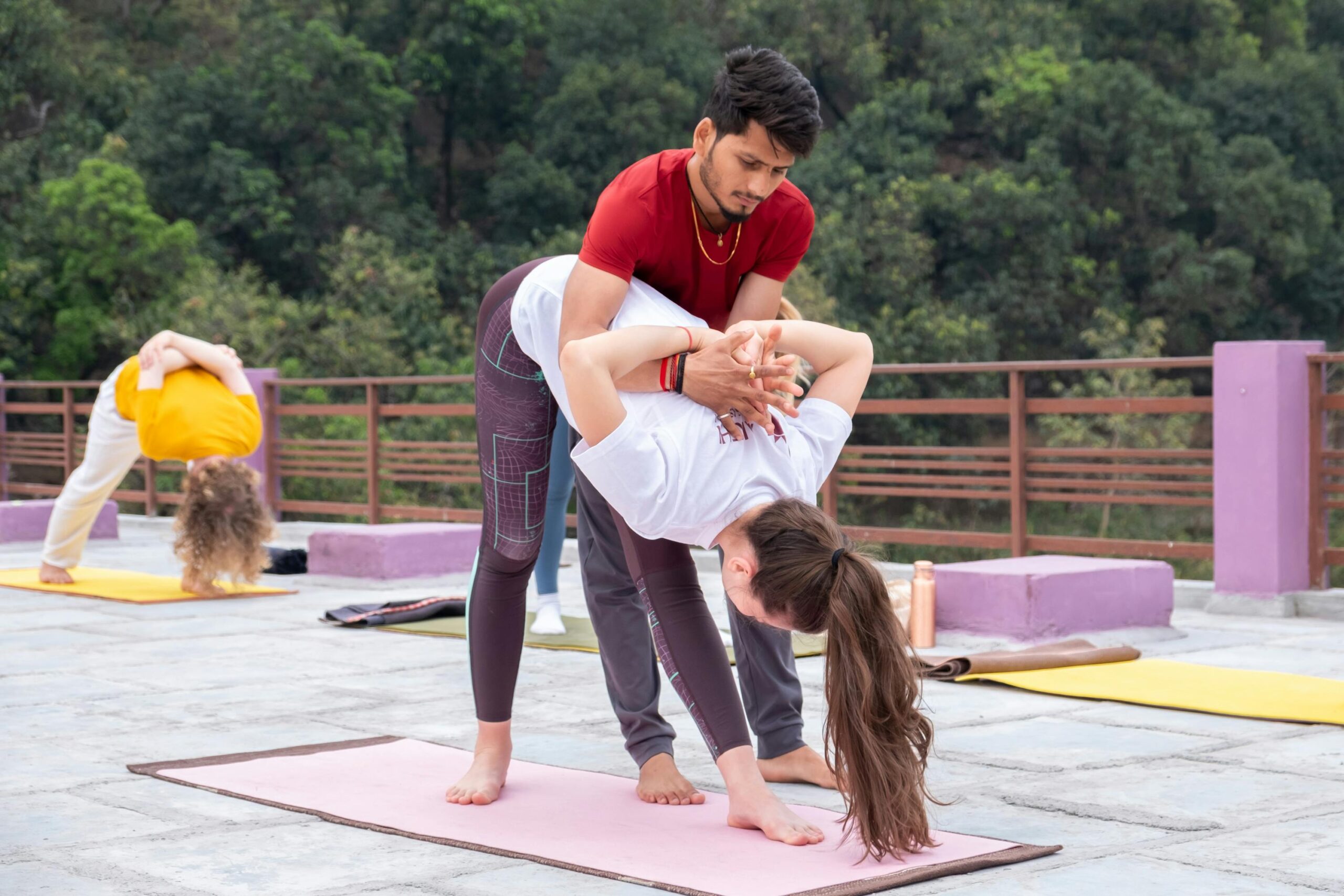
For a long time, we’ve put fitness into neat little boxes. You went to the weight room to get “bulky,” the yoga studio to get flexible, and maybe a physical therapist to work on your balance.
But as we head further into 2026, those walls are breaking down. We’re finally realizing that the strongest version of you is also the most flexible and agile version of you. If you’ve ever felt “stif
f” or “clumsy,” the solution might actually be found at the squat rack, not just the stretching mat.
Here is the truth about how strength training transforms the way you move through everyday life.
1. Strength Training is Actually “Stretching with Purpose”

There’s a persistent myth that lifting weights makes you “muscle-bound” and stiff. In reality, it’s quite the opposite. When you perform an exercise through a full range of motion—like a deep lunge or a controlled chest fly—you are effectively stretching your muscles under tension.
Think of it as active flexibility. Instead of just pulling on a cold muscle (which can sometimes lead to injury), strength training teaches your nervous system that it is safe to be in an extended position.
The Result: You don’t just get flexible; you get strong in those deep positions. This is what prevents you from pulling a muscle when you reach awkwardly for something in the backseat of your car.
2. Real-World Balance (It’s Not Just About Standing Still)
Most people think balance is about standing on one leg like a flamingo. But in the real world, balance is dynamic. It’s about not tripping when you step off a curb or being able to catch yourself if you slip on a wet floor.
Strength training builds “stabilizer strength.” Every time you do a single-arm press or a weighted step-up, your brain is firing off thousands of tiny signals to your core, ankles, and hips to keep you upright.
The Secret Sauce: Lifting improves your proprioception—your body’s internal GPS. It sharpens the communication between your brain and your limbs, making you much more “sure-footed” in your daily life.
3. Making “The Heavy Stuff” Feel Light
Have you ever noticed that some days the groceries feel twice as heavy, or getting out of a low sofa feels like a chore? That’s a movement efficiency problem.
Strength training focuses on the “Big Five” patterns that mimic real life: Pushing, Pulling, Squatting, Hinging, and Carrying.
The Deadlift: Isn’t just for powerlifters; it’s the exact movement you use to pick up a heavy box or a sleeping toddler without hurting your back.
The Farmer’s Carry: Is literally just “the grocery store run” perfected.
The Squat: Is the key to maintaining independence and mobility as we age.
By training these movements with weight, you’re essentially “over-preparing” your body. When your body is used to squatting 50 pounds, sitting down and standing up from a chair becomes effortless.
The Big Picture: Movement Longevity
In 2026, the goal of fitness has shifted. It’s less about how we look in the mirror and more about how we feel when we wake up. Strength training is the ultimate insurance policy for your body. It coats your joints in protective muscle, keeps your bones dense, and ensures that your “movement bank account” is always in the black.